The allure of gambling: Understanding attraction
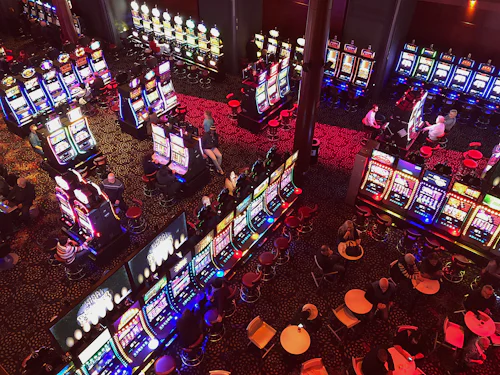
The allure of gambling in casinos is intricately tied to a variety of psychological factors that captivate individuals. The thrill of risk-taking is paramount, as many derive excitement from the uncertainty of potential outcomes. The prospect of winning a significant amount of money, often with a relatively small investment, creates an enticing appeal, especially when considering a fast payout online casino that can heighten this experience. This anticipation can trigger an adrenaline rush, offering a temporary escape from everyday stresses. The atmosphere of a casino, characterized by bright lights, vibrant colors, and immersive sounds, further enhances this allure, transforming the gambling experience into an immersive adventure that captivates the senses.
Furthermore, the architectural design and layout of casinos are meticulously crafted to influence patron behavior. For instance, many casinos lack windows and clocks, creating an environment where time seems to stand still, encouraging patrons to stay longer. This carefully curated atmosphere fosters a sense of safety and comfort, making individuals more inclined to indulge in gambling activities. This environment also reinforces the notion that a win is just around the corner, often leading to increased spending as players pursue victories that may never materialize. Ultimately, this strategic design plays into the psychological aspects of attraction, heightening the desire to engage in gambling activities.
Social influences are equally significant in the attraction to casinos. Many individuals find joy in the camaraderie that gambling can foster, whether through group activities or shared experiences with strangers. The social aspect provides a sense of belonging, especially in the vibrant atmosphere of a casino where interactions are encouraged. This dynamic can further amplify the appeal, as individuals may feel more compelled to gamble when surrounded by others who are equally engaged in the activity. Thus, the combination of thrill, altered perception of time, and social engagement makes the world of gambling in casinos profoundly attractive to many.
The role of cognitive biases in gambling behavior
Cognitive biases play a critical role in shaping gambling behavior, often leading individuals to make irrational decisions based on flawed reasoning. One prevalent bias is the illusion of control, where gamblers mistakenly believe they can influence the outcome of games that are purely chance-based. This belief can lead to overconfidence, with players convinced that skill or strategy will enhance their odds of winning, even in games like slots or roulette where outcomes are entirely random. Such misconceptions can result in extended gambling sessions and increased financial commitment, as players cling to the false hope of favorable outcomes.
Another common cognitive bias encountered in gambling is the gambler’s fallacy, which refers to the erroneous belief that past events influence future probabilities. For example, a player might assume that after a series of losses, a win is imminent because it seems statistically improbable to lose continuously. This fallacy can perpetuate the gambling cycle, as individuals continue to play in hopes of recouping lost funds, often leading to even greater financial losses. Recognizing these cognitive biases is essential for understanding why individuals persist in gambling behaviors, even when faced with adverse outcomes.

Additionally, the availability heuristic can significantly impact gambling decisions, where individuals estimate the likelihood of events based on how easily they can recall similar situations. For instance, if someone hears about a substantial win from a friend or sees a success story in the media, they may overestimate their chances of achieving the same fortune. This skewed perception can encourage continued gambling, as players chase an elusive jackpot, disregarding the low probabilities associated with such wins. The interplay of these cognitive biases underscores the complexity of gambling psychology, highlighting the importance of awareness in mitigating their effects.
The emotional impact of gambling
The emotional rollercoaster of gambling is a crucial aspect of its psychological appeal. Winning can elicit feelings of euphoria and validation, reinforcing the desire to gamble. This high, often referred to as the “gambling high,” fosters excitement and encourages individuals to return to the casino in search of more wins. Conversely, losses can lead to feelings of frustration, anger, and despair, prompting some players to chase their losses in hopes of experiencing a turnaround. This emotional cycle can be profoundly destructive, leading to problematic gambling behaviors and significant financial consequences.
Moreover, gambling can serve as a coping mechanism for individuals dealing with stress, anxiety, or other emotional distress. The thrill of the game may provide temporary relief from worries, creating an escape from everyday pressures. However, this can lead to a dangerous cycle where gambling becomes the primary outlet for emotional relief, increasing the risk of addiction. It is essential to recognize that while gambling may provide momentary escape, it often exacerbates underlying issues, leading to greater emotional turmoil over time.
The emotional impacts of gambling can also extend to personal relationships. Individuals who gamble frequently may become secretive, leading to feelings of betrayal among partners and family members. As trust erodes, the emotional strain can complicate an already volatile situation, creating a feedback loop that perpetuates gambling behavior. Understanding the emotional dimensions of gambling is crucial for both individuals and their loved ones, as it highlights the multifaceted nature of addiction and the need for supportive interventions to address these issues.
Responsible gambling: Strategies and awareness
Promoting responsible gambling is essential for mitigating the negative consequences associated with gambling behaviors. Awareness and education are critical in ensuring that individuals can enjoy gambling without succumbing to its pitfalls. Setting personal limits on spending and time spent in casinos can help individuals maintain control and avoid impulsive decisions. Establishing these boundaries before gambling sessions can create a mindful approach, allowing players to engage in the activity with a sense of accountability and self-awareness.
Moreover, recognizing the signs of problematic gambling early can significantly impact outcomes. Indicators may include chasing losses, neglecting responsibilities, or feeling anxious when not gambling. Individuals who identify these warning signs should seek support, whether through counseling, support groups, or other resources designed to assist with gambling addiction. Creating a support network can provide the encouragement needed to address these behaviors and promote healthier practices, fostering a more balanced approach to gambling.
Additionally, the incorporation of self-exclusion programs by casinos reflects a growing recognition of the importance of responsible gambling. These programs allow individuals to voluntarily ban themselves from gambling establishments for a specified period, providing a crucial opportunity for reflection and recovery. By facilitating access to resources and support, casinos can take a proactive role in promoting responsible gambling habits, ensuring that the thrill of gaming can be enjoyed without leading to detrimental consequences for individuals and their families.
Understanding our website and its resources
Our website is dedicated to providing valuable insights and resources related to the psychology of gambling and responsible practices. We aim to educate individuals about the psychological factors that influence gambling behavior, offering a comprehensive understanding of the risks and rewards involved. By providing articles, expert insights, and support resources, we seek to empower individuals to make informed decisions regarding their gambling habits, fostering a healthier approach to this popular pastime.
Furthermore, our platform collaborates with mental health professionals and gambling addiction counselors to raise awareness about the complexities of gambling behavior. We believe that by fostering a community of support and understanding, we can help individuals navigate the challenges associated with gambling. Our goal is to open dialogue about mental health as it relates to gambling, making it easier for individuals to seek help when needed and promoting overall well-being.
Ultimately, our website serves as a hub for education and outreach, focusing on responsible gambling and awareness of its psychological components. We invite visitors to explore our resources, engage with our content, and join us in promoting a healthier approach to gambling that prioritizes individual well-being. Through knowledge, support, and a commitment to responsible practices, we strive to create a safer and more informed gambling environment for all, ensuring that everyone can enjoy the entertainment of gambling responsibly.